Included
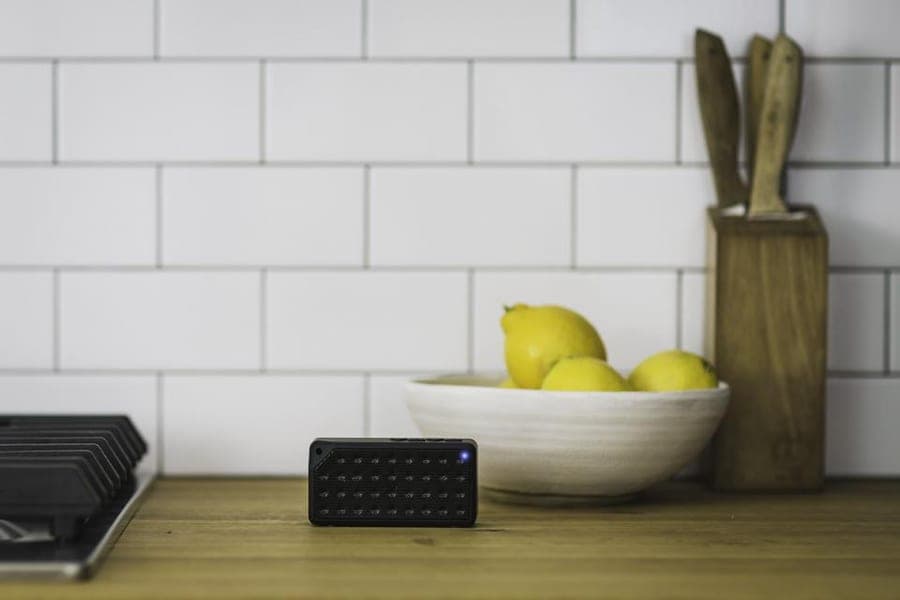
Kin Sense pucks
Ambient sensing detects presence, movement, and falls at room level. The small pucks sit quietly on a shelf or wall and keep working in the background.
Kin Sense brings whole-home presence and fall sensing into everyday life with small, discreet sensors. Here is what arrives, where it goes, and what happens next.
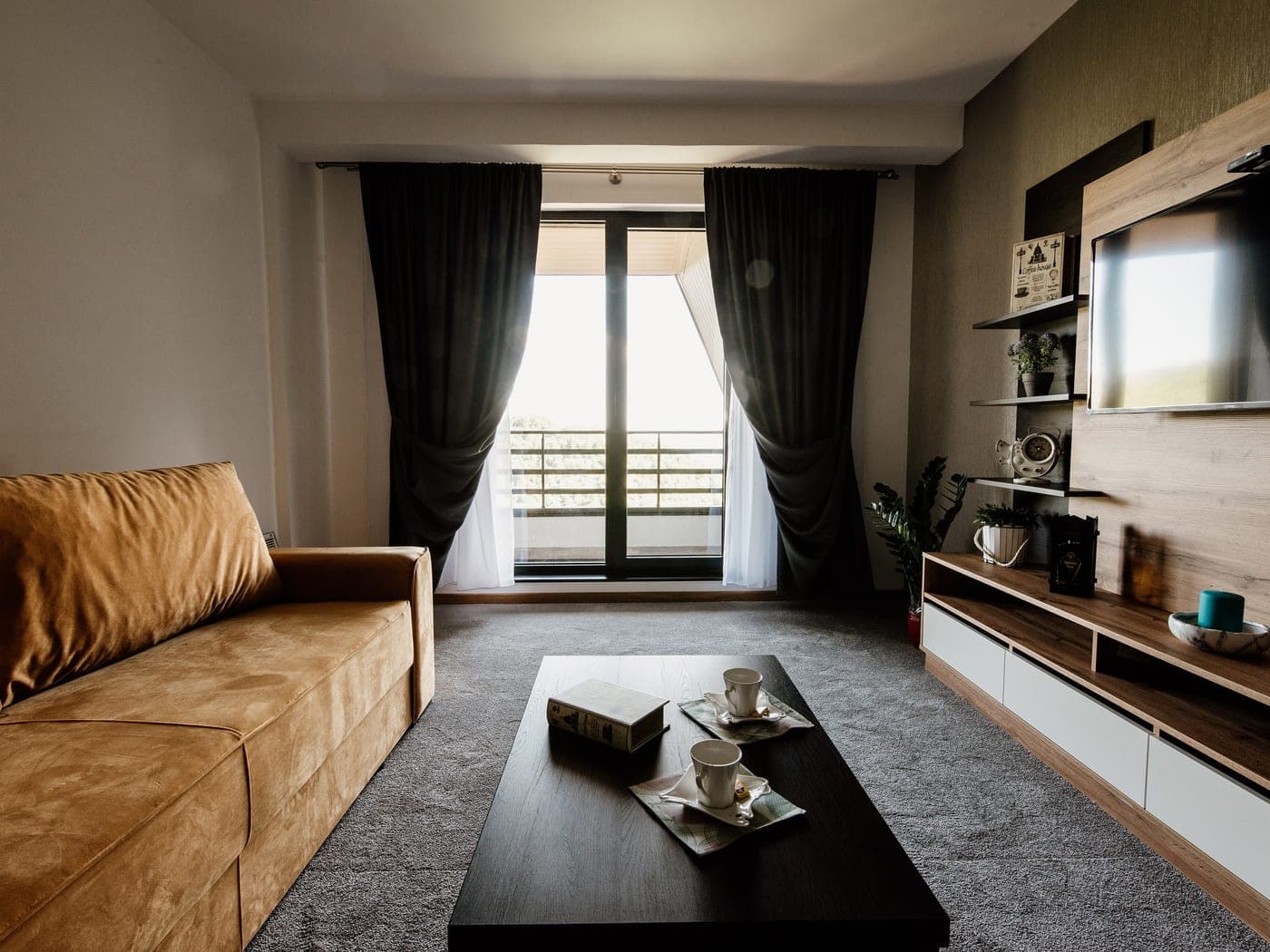
Kin Sense starts with up to three rooms for one monthly price, including installation, replacements, and support. Premium coverage can be added for homes that need more.
Ambient sensing detects presence, movement, and falls at room level. The small pucks sit quietly on a shelf or wall and keep working in the background.
A specialist recommends placement for the rooms that matter most.
Placement, connection, testing, and a handover are included.
If a device needs replacing, the care team handles the next step.
Kin AI adds the personal world model, daily insights, and the shared carer portal.
Every home is different. The right layout depends on the rooms, walls, routines, and support plan. This example shows how a typical setup can be discussed.
The everyday centre of the home
Rest, waking, and overnight movement
A higher-priority safety zone
Meals, hydration, and familiar routines
Placement is agreed with the household. A sensor does not guarantee coverage through every wall, floor, or unusual layout.
Kin Sense starts sensing on installation day. Kin AI takes time to learn what normal means for this person and this home.
A Kin specialist maps the rooms, routines, and people who should receive alerts before anything is installed.
Two or three discreet pucks sit on shelves or walls. There is no rewiring, camera installation, or daily button to remember.
Kin Sense works from day one. Kin AI can learn a personal baseline over the first weeks, as ordinary life unfolds.
Agree who receives a fall alert, who can view the daily picture, and what should happen when the home needs a human response.
Kin supports care. It does not diagnose, treat, cure, or slow cognitive impairment, and it is not a substitute for professional medical care or emergency services.
An alert only helps when the right person knows what to do next. Kin helps make that responsibility explicit.
Pets, visitors, moved furniture, connectivity, and unusual routines can affect sensing. The system should make uncertainty visible.
Changes in sleep, movement, or bathroom patterns are reasons to check in with a care professional, not conclusions.
Tell us who lives there, which hours are hardest to cover, and what reassurance would look like.